

As a dedicated supplier of Sapelle Pomelle Wood Veneer, I've received numerous inquiries about the susceptibility of this exquisite veneer to insect infestations. In this blog post, I'll delve into the topic, drawing on my experience in the industry and scientific knowledge to provide a comprehensive answer.
Understanding Sapelle Pomelle Wood Veneer
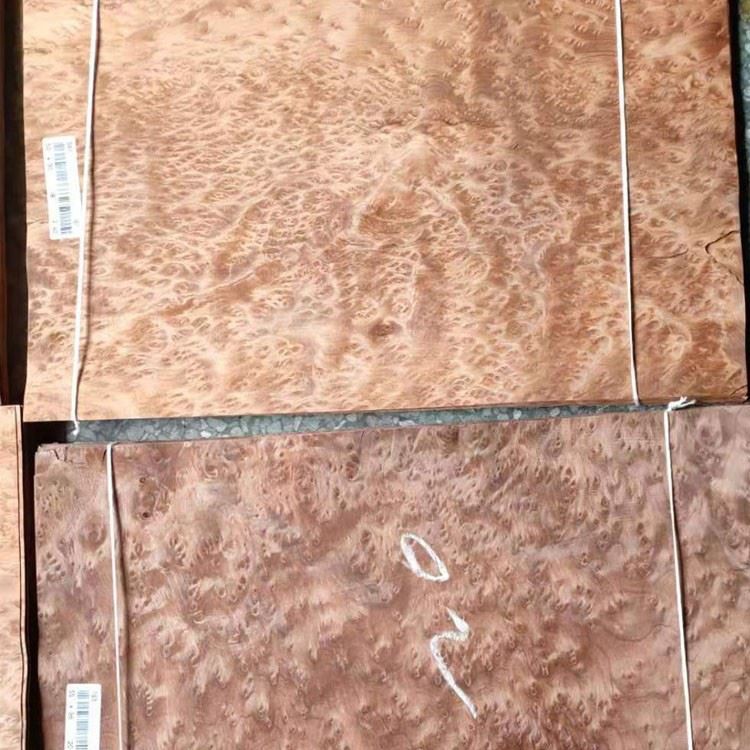
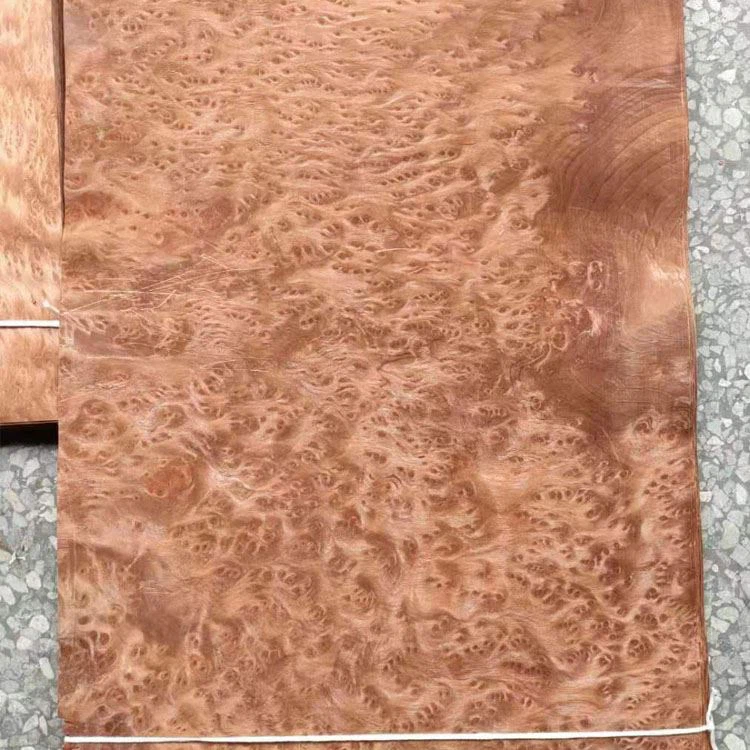
Sapelle Pomelle Wood Veneer is a highly sought - after material in the world of interior design and woodworking. It is derived from the Sapelli tree, which is native to the tropical regions of Africa. The veneer is known for its distinctive pomelle figure, which consists of small, circular or oval patterns that give it a unique and luxurious appearance.
The Sapelli tree has a dense and hard wood structure. This natural density is one of the key factors that influence its resistance to insects. Hardwoods like Sapelle generally have a lower porosity compared to softer woods, which can make it more difficult for insects to penetrate and establish colonies.
Common Insects That Affect Wood
Before discussing whether Sapelle Pomelle Wood Veneer is affected by insects, it's important to understand the types of insects that commonly target wood.
Termites
Termites are perhaps the most well - known wood - destroying insects. They feed on cellulose, which is a major component of wood. Subterranean termites build their colonies in the soil and tunnel up into wood structures, while drywood termites can infest wood directly without the need for contact with the soil.
Wood Borers
Wood borers include beetles such as powderpost beetles and longhorn beetles. The larvae of these beetles tunnel through the wood, creating small holes and causing significant damage over time. They often target the sapwood of trees, which contains more nutrients than the heartwood.
Carpenter Ants
Carpenter ants do not actually eat wood but they excavate it to build their nests. They prefer moist and decaying wood, but can also damage sound wood in search of a suitable nesting site.
Factors Affecting Insect Resistance of Sapelle Pomelle Wood Veneer
Natural Resistance
As mentioned earlier, the density of Sapelle wood provides a certain level of natural resistance to insects. The tight grain and hard structure make it challenging for insects to bore through the veneer. Additionally, some hardwoods contain natural chemicals or compounds that act as deterrents to insects. While Sapelle may not have extremely high levels of these chemicals compared to some other insect - resistant woods, its density still plays a crucial role in keeping insects at bay.
Treatment
Many suppliers, including myself, offer treated Sapelle Pomelle Wood Veneer. Treatment methods can vary, but commonly include chemical treatments that are designed to protect the wood from insects and fungi. These treatments can significantly enhance the insect resistance of the veneer. For example, pressure - treated veneers have chemicals forced deep into the wood fibers, creating a long - lasting barrier against pests.
Storage and Handling
Proper storage and handling of the veneer are also essential in preventing insect infestations. Storing the veneer in a dry, well - ventilated area can reduce the risk of attracting moisture - loving insects such as termites and carpenter ants. It's also important to keep the storage area clean and free from debris, as this can provide hiding places for insects.
Evidence of Insect Resistance
In my years of supplying Sapelle Pomelle Wood Veneer, I've had very few reports of insect - related issues. Customers who have used the veneer in various applications, from high - end furniture to interior wall paneling, have generally been satisfied with its durability and resistance to pests.
Some scientific studies have also looked at the insect resistance of tropical hardwoods. While there is limited specific research on Sapelle Pomelle Wood Veneer, studies on related species of Sapelli have shown that they have a relatively good resistance to termite attack compared to many other woods.
Comparing with Other Veneers
It's interesting to compare the insect resistance of Sapelle Pomelle Wood Veneer with other popular veneers in the market. For instance, Redwood Burl Veneer is known for its natural beauty and is also relatively resistant to insects due to the presence of tannins in redwood. However, the resistance may vary depending on the specific type of redwood and the treatment it has received.
Maple Burl Veneer, on the other hand, is a softer wood compared to Sapelle. Softwoods are generally more prone to insect infestations as they have a more porous structure. This makes Sapelle Pomelle Wood Veneer a better choice in terms of insect resistance for applications where long - term durability is a concern.
Bubinga Natural Wood Veneer Cc Pa is another tropical hardwood veneer. Similar to Sapelle, Bubinga has a relatively high density, which gives it some level of insect resistance. However, each wood species has its own unique characteristics, and the specific resistance can vary depending on factors such as origin and treatment.
Precautions and Maintenance
Even though Sapelle Pomelle Wood Veneer has a good level of insect resistance, it's still important to take some precautions to ensure its long - term protection.
- Regular Inspections: Periodically inspect the veneer for any signs of insect activity, such as small holes, sawdust, or damaged areas. Early detection can prevent a minor infestation from becoming a major problem.
- Moisture Control: Keep the environment where the veneer is installed dry. Moisture can weaken the wood and make it more susceptible to insect attacks. Use dehumidifiers in areas with high humidity if necessary.
- Sealing: Applying a high - quality sealant to the veneer can provide an additional layer of protection against insects and moisture. This can help to maintain the integrity of the veneer over time.
Conclusion
In conclusion, Sapelle Pomelle Wood Veneer has a relatively good resistance to insects, thanks to its natural density and the option of chemical treatments. While no wood is completely immune to insect infestations, proper storage, handling, and maintenance can significantly reduce the risk.
If you're in the market for high - quality, insect - resistant wood veneer, Sapelle Pomelle Wood Veneer is an excellent choice. Whether you're a furniture manufacturer, an interior designer, or a DIY enthusiast, our company offers a wide range of Sapelle Pomelle Wood Veneer products to meet your needs. We're always ready to discuss your project requirements and provide you with the best solutions. Contact us to start your procurement and let's bring your woodworking dreams to life.
References
- Forest Products Laboratory. "Wood Handbook: Wood as an Engineering Material."
- Journal of Tropical Forest Science. Various studies on tropical hardwoods and their properties.