
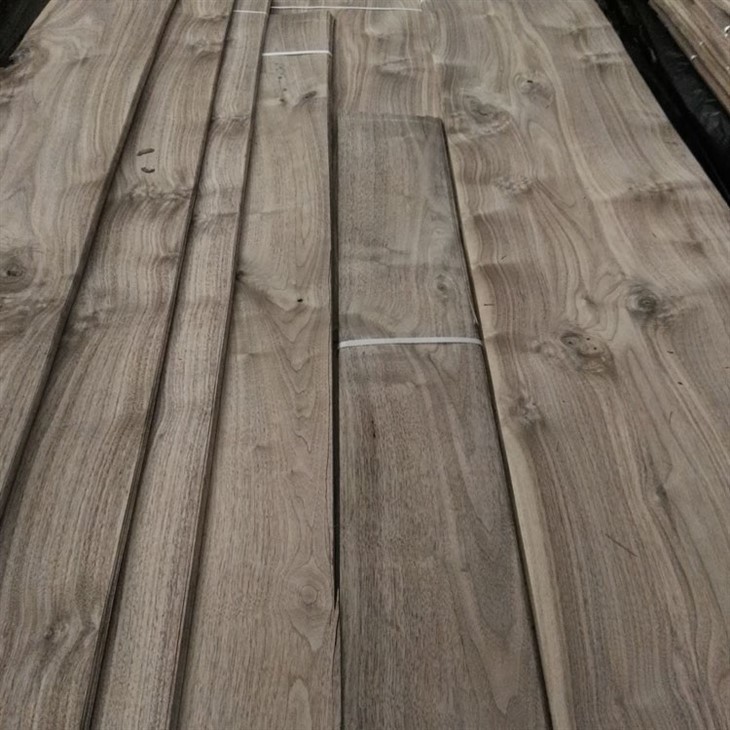
Natural Wood Veneer
Why Choose Us
Rich Experience
We make full use of our products, technology, talents, management, business model and existing customer advantages to continuously enhance our core competitiveness and make the application industry deeper and larger in market territory.
One-stop Solution
We are committed to providing pre-sales, in-sales, and post-sales technical support and marketing channels so that our customers perceive our employees as professional and dedicated in their business knowledge, technical ability, and professionalism.
Professional Team
We have professional personnel to carry out research on product development, technology development, production technology and quality control.
High Quality
Our Gray Eucalyptus Dyed Wood Veneer is exquisite, concise and concise in workmanship, and all of its parts are carefully selected to ensure high-quality standards.
What is Natural Wood Veneer
Natural Wood Veneer in the simplest of terms are thin slices of natural wood generally less than 1/40” thick. These veneers are typically pressed onto or laminated to thicker core materials such as plywood, particle board and MDF to create structural panels to be used in place of thicker hardwood lumber. This is still real wood but machinery and technology allow the material to be sliced thin without waste instead of sawing it into thick boards. Just like thick boards, it can be plain sawn, quarter sawn, rift cut, or rotary cut and produce the many different grain patterns associated with each cut.


Benefits of Natural Wood Veneer
Natural Wood Veneer is easier to work with and provides a lot more versatility than what solid wood offers. There is also a benefit of being able to use whole logs to maintain absolute consistency in color and grain throughout. Not only will you have more flexibility with surfaces like curved or contoured areas, but Natural Wood Veneer allows you to create endless unique designs while playing with the grain. For instance, the different types of veneer matching can dramatically impact the end presentation-A few examples-Book Matched, Slip Matched, Plank Matched, and butcher block, just to name a few. Something that would be very challenging and expensive using solid wood.
An advantage of using veneer in furniture rather than solid wood is incorporating multiple species into one piece. Every species has its unique grain and color, and when mixed, it creates appealing patterns and beautiful contrast-Something that would be extremely difficult, time-consuming, and expensive if done with solid wood. For instance, take a look at this unbelievable dining room table where the woodworker used our electric zebrawood, walnut burl, and wenge to create this stunning design.
Natural Wood Veneer is considered the greenest use of a tree and a truly renewable resource that is all-natural and 100% authentic. While you'll get the same natural look as solid wood, it is much more sustainable because only the outermost layer of the furniture is made from wood.In addition to being a renewable resource, all Natural Wood Veneer at is harvested responsibly. A large portion of the inventory is FSC Certified, and FSC. When stands for Forest Stewardship Council. This is a non-profit organization that inspects and certifies forests from all over the world to meet the highest environmental and social standards. When you buy FSC certified Natural Wood Veneer, you can rest assured it comes from forests where programs are in place to foster the replanting of forest land while using selective logging practices.
With veneer, minimal wood is wasted in the manufacturing process. Natural Wood Veneer is sliced into very thin sheets, similar to the meat cut at your deli. For every 1” thickness of lumber, it yields 42 paper-thin “leaves.” This yields more square footage of material without wasting any material (including sawdust). Essentially, that 1” thick lumber face can be replicated 42 times using veneer. You can start to see the multiplying effect this can have. Using 1/42” of an inch Natural Wood Veneer is a more efficient use of natural resources and more cost-effective in comparison to a 1” thick hardwood board.
Raw Wood Veneer
Raw veneer is veneer that has no backing on it, so it can be used on either side as they look the same until you apply a finish. In the slicing process one side of the veneer is compressed the other stretched, so they can accept stain differently. Mostly made from hardwood trees, it's very durable and can be used on flat as well as curved surfaces and the grain isn't matched during manufacture. This means that if you want to create a specific finish, it might be better to choose a different type of veneer.
Laid-Up Veneer
Laid-up veneer is pieces of raw veneer attached together to create larger pieces. This is a good option as it can be manufactured to your specific size, design, and shape-but it is a lengthy process to create.
Backed Wood Veneer
Backed veneer uses another material-paper, phenolic, cloth and foil are common backings-to make it stronger and more versatile. The second material is attached to one side of the veneer and the grains in the panels are usually matched during manufacture. They can be applied to flat or curved surfaces as it is more flexible than raw wood veneer and less likely to crack.
Laminated or Reconstituted Veneer
Typically made from fast-growing species, reconstituted veneer consists of several slices of wood laminated together. The resulting block of wood is then sliced in the opposite direction from the initial slices so that its edges become the grain of the reconstituted veneer. The result is a very flexible veneer that can be shaped and bent.
Application of Natural Wood Veneer
Furniture
Natural wood veneers look perfect on furniture pieces such as chairs, dressers, and tables and can add a touch of natural beauty. You can choose from different colors such as Anegre, American White Ash, Olive Ash, and Steam Beach to decorate your furniture and make it look unique and premium quality. The veneer sheets are also available in multiple variants including ply, laminated veneers, MDF, and fleece back which offers unmatched durability and stability to your furniture.
Decorative Inlay
Mastering the art of decorative inlays can take some time. With natural wood veneers, however, it gets extremely easy to create and apply patterns that make your decorative elements stand out, further enhancing the look and decor of the space. Choose colors from our rich catalog of natural wood veneer designs .

Ceilings
Only an expert woodworker will be able to apply natural wood veneers to ceilings but once they are installed, they can offer an incredible effect to the space that is beyond other decorative options. Also suitable for floors and walls, natural wood veneers can give an incredibly breathtaking look to your room with shades including Oak Dyed Coffee, Platan Dyed Grey, Sycamore Dyed Gold, and Koto Dyed Wenge. The best part is they are made using TD technology that highlights the character and depth of each grain.
Artwork
Natural wood veneers can do wonders whether you are creating wooden instruments or decorating collector's items. You can also customize the dimensions to suit the exact requirement. Natural wood veneers are available in more than 200 unique designs extracted from excotic wood species that can provide an unmatched appearance to different types of artwork. They also come with FSC certification that validates their minimal impact on the environment.
Natural vs Engineered Natural Wood Veneer: Understanding 3 Key Differences
Process of Production
Natural Wood Veneer are sliced from rapidly growing and softer renewable tree species. The slices are later dyed, dried, and glued together into blocks of different shapes. These blocks are then sliced and glued again according to the desired engineered veneer texture and pattern. The finished product can imitate natural wood grains such as flat cut, quarter cut, burl, straight grain, and other geometric fantasy patterns. Natural wood veneers, on the other hand, are manufactured after slicing thin sheets from the entire log of trees.
Design Deviations
Natural Wood Veneer are sliced from tree logs that each have a unique pattern. No two trees, even from the same species, have identical patterns. On the other hand, engineered wood veneers are man-made sheets that are sliced, dyed in vats, and glued together in blocks. These blocks are re-sliced and re-glued to create required patterns and textures that can be replicated to cover large surfaces with the same design.
Cost Involved in Manufacturing
Natural Wood Veneer are cheaper to produce as they are made from slicing fast-growing trees. These slices are then glued into blocks to create different patterns and designs in bulk. The average size of engineered veneer blocks is 110” -132” long and around 24” wide. The structure of engineered wood veneer and higher yield helps in minimizing waste and costs. Natural wood veneer sheets are rare and hard to produce as they are sliced from big tree logs while retaining properties bestowed by nature.
How to Choose Natural Wood Veneer
Assess the current color palette and decor style of the space
Select a wood veneer color that complements and elevates the overall design scheme. For example, in a space with a contemporary decor style and a neutral color palette, such as black, grey, and white, choosing a wood veneer color in a similar tone creates a seamless and harmonious look.
Recognize the impact of lighting on color perception
Account for how the wood veneer color will appear in various lighting conditions, including natural and artificial light. The same wood veneer color can exhibit different tones in bright daylight, warm incandescent lighting, or cool fluorescent lighting.
Familiarize yourself with the psychological effects associated with different wood veneer colors
Consider the mood and ambiance you aim to establish in the space and choose a color that aligns with those intentions. For a calming environment, opt for cool colors like green, blue, and purple.
Draw inspiration from current interior design trends and your personal preferences
Explore examples and references that resonate with your style and tastes.Request samples of various wood veneer colors and visualize them in the actual space. This enables you to observe how the color interacts with the surroundings, helping you make a more informed decision.
Process of Natural Wood Veneer
Preparing the logs
The wooden logs need to be cut in a very specific way. Every log has to be cut in a way that enhances the grain on the final veneers.
Steaming
After filches are made, they are steamed in boiling vats, which softens them for slicing. This process can also bring out the colour of the wood.
Slicing
After the wood is softened, filches are sent to slicers which slices them into veneer leaves.
Drying
The sliced veneer leaves need to have the excess moisture removed from them, for which they are sent to the special dryers.
Edge cutting/Clipping
The sliced veneers are not in proper shape. The leaves are then sent to the clipper with cuts off the edges to bring parallel edges to the veneers.
Splicing and End Tapping
The leaves are then stitched together seamlessly to produce standard sizes and then end tapped for pressing.
Pressing
The leaves are then pressed on pre-glued substrates to create veneer panels.
Sanding and Finishing
Before the veneers are packed, they are sent to sanding areas where they are given the decorative finishing.
How to Maintain Natural Wood Veneer
Stain removal
Unlike hardwood and other surfaces, veneers do not get easily stained by common food items such as coffee, tea, and red wine. That, however, doesn't mean veneers are stain proof. If you find a stain on your veneers, do not use abrasive cleaning agents or scrubs. Instead, use a mild stain-removing polish or cleaner with a soft sponge.
Damage prevention
Keep your natural wood veneer furniture out of direct sunlight, as it can damage the surface over time. Always use coasters with cups or glasses to prevent water and heat damage. Do not write on a piece of paper placed directly over the veneer surface as it may leave a mark. Instead, make it a point to use either writing pads or go for fabric desk pads.
Minor repairs
If you find a stain or crack on a veneer, which you are unable to remove on your own, or notice any other major damage to the surface, hire a repair professional rather than going the diy way. Only an experienced professional will be equipped to repair or replace the natural wood veneer to restore its natural beauty, and help prevent further damage.
Routine maintenance
Routine maintenance including regular dusting with a soft, dry cloth or tissues. For visible marks and stains, you can use an appropriate cleaning solution with a soft sponge. These routine maintenance tasks should be enough to ensure your natural wood veneer surfaces retain their appeal for years to come.
Grid Swell Wood insists on exploiting the technical field and exploring unique quality and craftsmanship with rich experience. We have successively obtained "ISO 45001", "ISO 9001", "ISO 14001" China Environmental Labeling Product Certification" and FSC.


FAQ
We're well-known as one of the leading natural wood veneer manufacturers and suppliers in China. If you're going to wholesale cheap natural wood veneer, welcome to get pricelist from our factory. Also, customized service is available.
veneer for bathroom vanities, natural wood veneer for outdoor use