

Hey there! As a supplier of Rotary Cut Birch Wood Veneer, I often get asked about the thickness range of this amazing product. So, I thought I'd sit down and write a blog post to give you all the deets.
First off, let's talk a bit about what rotary cut birch wood veneer is. Rotary cutting is a process where a log is rotated against a sharp blade, peeling off thin layers of wood like the layers of an onion. Birch is a popular choice for veneer because it's a beautiful, light - colored wood with a fine grain that can add a touch of elegance to any project.
Now, to the main question: what's the thickness range of rotary cut birch wood veneer? Well, the typical thickness range for rotary cut birch wood veneer can vary quite a bit, but it usually falls between 0.2mm and 3mm.
Thinner Veneers (0.2mm - 0.6mm)
The thinner end of the spectrum, around 0.2mm to 0.6mm, is great for a bunch of different applications. For one, it's super flexible. This makes it ideal for wrapping around curved surfaces, like the edges of furniture or the contours of musical instruments. If you're into DIY projects and want to add a woody touch to some small items, these thin veneers are your best bet. They're also relatively easy to work with using basic tools. You can glue them onto surfaces using standard wood glue, and they'll conform nicely to the shape you're covering.
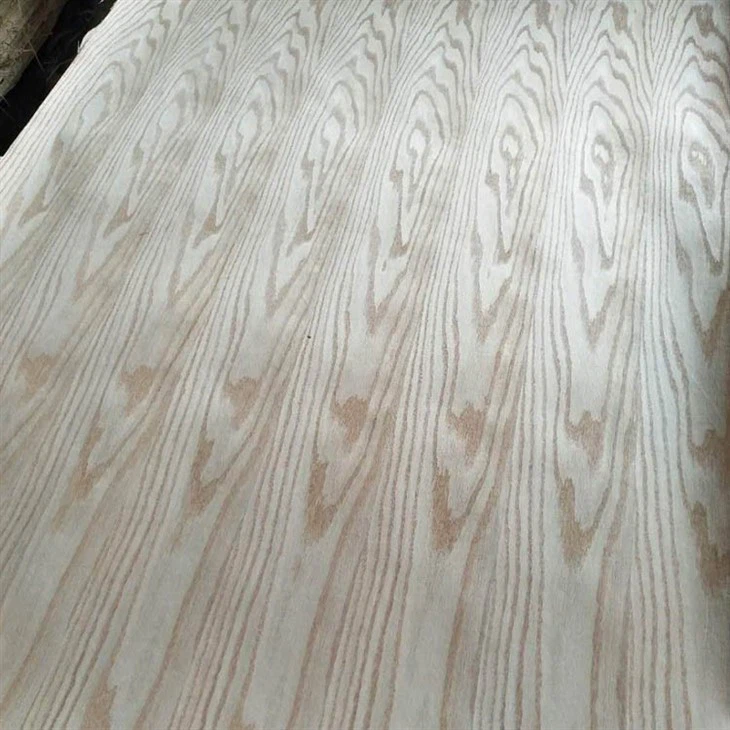

However, these thin veneers do have their limitations. They're more delicate, so you have to be extra careful when handling them. A small tear or crease can ruin the whole piece. And because they're so thin, they might not hold up as well to heavy wear and tear. But for decorative purposes or projects where the veneer won't be subjected to a lot of stress, they're perfect.
Medium - Thickness Veneers (0.6mm - 1.5mm)
Moving up to the medium - thickness range, from 0.6mm to 1.5mm, you get a bit more durability. These veneers are a great all - around choice for furniture making. You can use them to cover tabletops, cabinet doors, and drawer fronts. They're thick enough to give a solid, substantial look and feel to the finished product, but still thin enough to be relatively lightweight.
One of the advantages of medium - thickness veneers is that they're easier to sand and finish compared to the thinner ones. You can achieve a smooth, professional - looking surface with a bit of sandpaper and some wood stain or varnish. They also hold up better to normal use, like being bumped or scratched slightly.
Thicker Veneers (1.5mm - 3mm)
On the thicker end of the scale, from 1.5mm to 3mm, these veneers are often used in more heavy - duty applications. They can be used as a substitute for solid wood in some cases. For example, if you're building a high - end piece of furniture that needs to look and feel like it's made from solid birch, but you want to save on cost and weight, these thicker veneers are a great option.
They're also more resistant to damage. You can use them in areas where the veneer might be exposed to more wear, like the edges of a countertop or the surface of a desk. However, working with these thicker veneers can be a bit more challenging. They're less flexible, so it's harder to bend them around curves. And you might need more powerful tools to cut and shape them.
Now, I know I've been talking a lot about birch, but we also offer other types of wood veneers. For example, if you're interested in something a bit more exotic, check out our Rotary Cut Sapele Wood Veneer. It has a rich, dark color and a beautiful grain pattern. Or if you're a fan of oak, our Red Oak Wood Veneer Sheet Crown Cut is a classic choice. And for a lighter - colored option, our Rotary Cut Okoume Wood Veneer is really nice.
When you're choosing the right thickness of rotary cut birch wood veneer for your project, there are a few things to keep in mind. First, think about the application. If it's a decorative piece that won't get a lot of use, a thinner veneer will do the trick. But if it's something that needs to be durable and long - lasting, go for a thicker one. Also, consider your skill level. If you're new to working with veneers, starting with a medium - thickness one might be a good idea, as it's a bit more forgiving.
In addition to the thickness, you should also pay attention to the quality of the veneer. Look for pieces that are free of knots, cracks, and other defects. A high - quality veneer will look better and last longer.
So, there you have it! That's the lowdown on the thickness range of rotary cut birch wood veneer. Whether you're a professional furniture maker or a hobbyist DIYer, I hope this information helps you make the right choice for your next project.
If you're interested in purchasing rotary cut birch wood veneer or any of our other wood veneer products, feel free to reach out. We're here to answer any questions you might have and help you find the perfect veneer for your needs. Let's start a conversation about your project and see how we can make it even better with our high - quality wood veneers.
References
- Wood Handbook: Wood as an Engineering Material. Forest Products Laboratory.
- Wood Veneer and Plywood Manufacturing: A Practical Guide. John Doe.