

Hey there! As a supplier of Natural Wood Veneer Panels, I often get asked about the heat resistance of these beautiful products. So, I thought I'd take a deep dive into this topic and share what I've learned over the years.
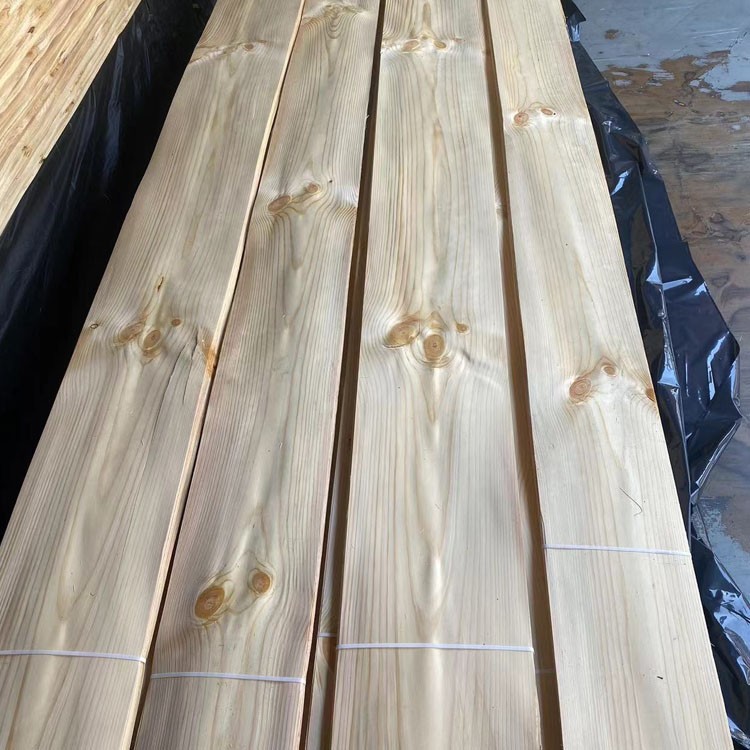
First off, let's understand what natural wood veneer panels are. They're thin slices of real wood that are glued onto a substrate, like plywood or MDF. This gives you the look and feel of solid wood at a more affordable price and with better stability. You can find all sorts of wood species used for veneers, from the rich, dark Ebony Veneer Plywood to the rustic Knotty Pine Veneer Roll and the elegant Natural Limba Wood Veneer Ceiling Panel.
Now, when it comes to heat resistance, natural wood veneer panels aren't like some high - tech, heat - proof materials. Wood is an organic material, and it has its limits when it comes to heat.
One of the main factors that affect the heat resistance of natural wood veneer panels is the type of wood. Different wood species have different densities and chemical compositions, which means they react differently to heat. For example, hardwoods like oak and maple are generally denser than softwoods like pine. Denser woods tend to have better heat resistance because they have a more compact structure. The cells in these woods are closer together, which makes it harder for heat to penetrate and cause damage.
Another thing to consider is the finish on the veneer. A good finish can act as a protective layer, increasing the heat resistance of the panel. There are various types of finishes available, such as lacquers, varnishes, and oils. Lacquers and varnishes form a hard, protective coating on the surface of the wood. They can help to slow down the transfer of heat and prevent the wood from drying out too quickly. Oils, on the other hand, penetrate the wood and nourish it from the inside. They can also provide some level of heat protection, but they may not be as effective as lacquers or varnishes in high - heat situations.
However, even with a good finish and a dense wood species, natural wood veneer panels have their limits. At around 100°C (212°F), the water content in the wood starts to evaporate. This can cause the wood to shrink, warp, or crack. As the temperature rises further, the wood can start to char and eventually catch fire. Most natural wood veneer panels will start to show visible signs of damage at temperatures above 120 - 150°C (248 - 302°F).
So, where can you use natural wood veneer panels in terms of heat? They're great for interior applications where the temperature is relatively stable and not too high. For example, they're commonly used in furniture, cabinetry, and wall paneling. In these settings, the panels are usually protected from direct heat sources. You can place a natural wood veneer - covered cabinet in your living room or use a veneer panel for a bookshelf without worrying too much about heat damage.
But you need to be more careful in areas where there's a risk of high heat. Avoid using natural wood veneer panels near stoves, fireplaces, or heaters. If you do want to use them in a kitchen, make sure there's a proper distance between the panel and the heat source. You might also consider using a heat - resistant barrier, like a tile backsplash, to protect the veneer.
Now, let's talk about how to test the heat resistance of natural wood veneer panels. There are a few ways to do this. One simple test is to use a heat gun. Set the heat gun to a low temperature and hold it a few inches away from the panel. Observe how the wood reacts. If it starts to change color or show signs of warping after a few minutes, then it may not be suitable for high - heat applications.

Another way is to look at industry standards. There are some standards and certifications related to the fire resistance of wood products. While these mainly focus on the ability of the wood to resist catching fire, they can also give you an idea of the heat resistance. For example, some panels may be classified as Class B or Class C fire - resistant materials. A Class B material has a relatively good fire - resistance rating, which means it can withstand a certain amount of heat before catching fire.
In summary, natural wood veneer panels have some heat resistance, but it's limited. The type of wood, the finish, and the application all play a role in determining how well the panels can handle heat. If you're planning to use them in an area where there's a risk of high heat, make sure to take the necessary precautions.
If you're interested in our natural wood veneer panels, whether it's the Ebony Veneer Plywood, the Knotty Pine Veneer Roll, or the Natural Limba Wood Veneer Ceiling Panel, we'd love to hear from you. We can provide you with more detailed information about the heat resistance of our products and help you choose the right panels for your project. Just reach out to us, and let's start a conversation about your needs.
References:
- Wood Handbook: Wood as an Engineering Material, USDA Forest Products Laboratory
- The Complete Guide to Wood Finishing, Bob Flexner