
As a supplier of Elm Wood Veneer Crown Cut, I often encounter questions from customers regarding the long - term performance of our product, especially about whether it fades over time. In this blog, I'll delve into this topic, drawing on scientific knowledge and practical experience to provide a comprehensive answer.
Understanding Elm Wood Veneer Crown Cut
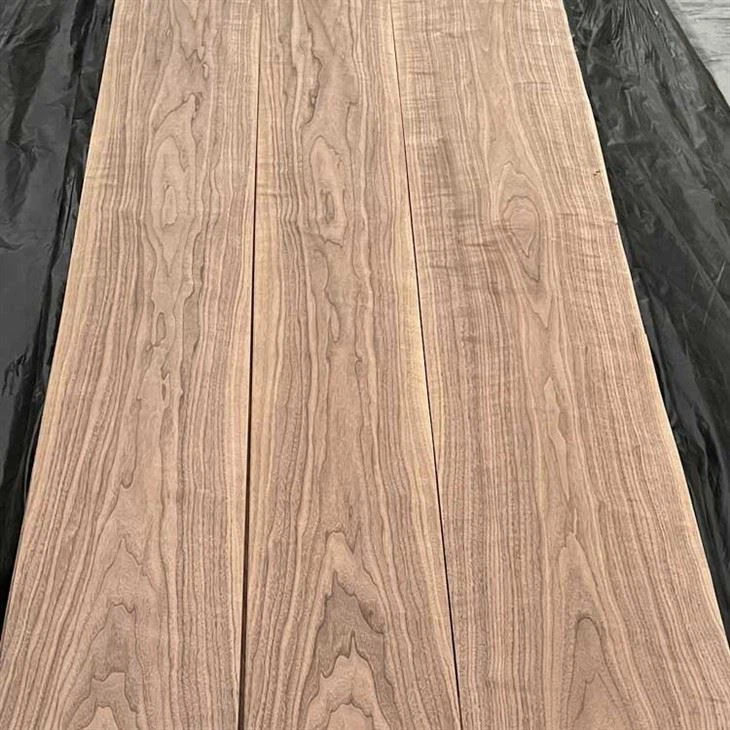
Elm Wood Veneer Crown Cut is a type of high - quality natural wood veneer. The crown cut method involves slicing the log perpendicular to the growth rings, which results in a distinctive and visually appealing pattern. This veneer is widely used in furniture making, interior decoration, and cabinetry due to its unique aesthetic and relatively cost - effective nature compared to solid wood.
Factors Affecting Wood Veneer Fading
1. Sunlight Exposure
Sunlight is one of the primary factors that can cause wood veneer to fade. Ultraviolet (UV) rays in sunlight break down the chemical compounds in the wood, including lignin and tannins. Lignin is a complex polymer that gives wood its strength and structure, and tannins contribute to the wood's color. When these compounds are degraded by UV rays, the color of the wood veneer gradually changes. For Elm Wood Veneer Crown Cut, prolonged exposure to direct sunlight can lead to a significant lightening of its natural color over time.

2. Oxidation
Oxidation is another important factor. Wood is composed of organic matter, and when it comes into contact with oxygen in the air, a chemical reaction occurs. This oxidation process can cause the wood to darken or change color. The rate of oxidation depends on various factors such as the moisture content of the wood, the temperature, and the presence of catalysts like metal ions. In the case of Elm Wood Veneer Crown Cut, if it is stored or used in an environment with high oxygen levels and suitable temperature and humidity conditions, oxidation can accelerate, leading to color changes.
3. Environmental Conditions
Humidity and temperature fluctuations can also impact the color of Elm Wood Veneer Crown Cut. High humidity can cause the wood to absorb moisture, which may lead to swelling and changes in the wood's cellular structure. These structural changes can affect the way light is reflected from the wood surface, resulting in a perceived color change. On the other hand, low humidity can cause the wood to dry out and crack, which may also influence its appearance.
Does Elm Wood Veneer Crown Cut Fade?
The short answer is yes, Elm Wood Veneer Crown Cut can fade over time, but the degree of fading depends on several factors. If the veneer is used in an interior environment with minimal sunlight exposure and stable environmental conditions, the fading process will be relatively slow. For example, if it is installed in a room with curtains that block out direct sunlight and a proper humidity control system, the veneer can maintain its original color for a long time.
However, if the veneer is exposed to harsh environmental conditions, such as direct sunlight for several hours a day or extreme humidity and temperature changes, the fading will be more noticeable. In some cases, the natural color of the Elm Wood Veneer Crown Cut may lighten significantly, and the once - rich and vibrant appearance may become dull and lackluster.
Comparison with Other Wood Veneers
To better understand the fading characteristics of Elm Wood Veneer Crown Cut, let's compare it with some other popular wood veneers.
Walnut Wood Veneer Crown Cut
Walnut Wood Veneer Crown Cut is known for its rich, dark color. Like Elm Wood Veneer Crown Cut, it is also susceptible to fading due to sunlight and oxidation. However, walnut wood contains more natural oils, which can provide some protection against UV rays and oxidation. As a result, Walnut Veneer may fade at a slightly slower rate than Elm Wood Veneer Crown Cut under the same environmental conditions.
Santos Rosewood Veneer
Santos Rosewood Veneer has a distinct reddish - brown color. It is a relatively dense and durable wood, and its natural pigments are more stable compared to Elm Wood Veneer Crown Cut. This means that Santos Rosewood Veneer is less likely to fade as quickly as Elm Wood Veneer Crown Cut, especially when exposed to sunlight.
How to Minimize Fading
As a supplier, I understand the importance of maintaining the quality and appearance of our Elm Wood Veneer Crown Cut. Here are some tips to minimize fading:
1. Use UV - Blocking Coatings
Applying a UV - blocking finish to the veneer can significantly reduce the impact of sunlight. These coatings act as a barrier, preventing UV rays from reaching the wood surface. There are various types of UV - blocking coatings available, such as polyurethane and lacquer.
2. Control Sunlight Exposure
Limit the veneer's exposure to direct sunlight. This can be achieved by using curtains, blinds, or tinted windows. If possible, position furniture or interior elements made of Elm Wood Veneer Crown Cut away from windows or areas with intense sunlight.
3. Maintain Stable Environmental Conditions
Keep the humidity and temperature in the environment where the veneer is used relatively stable. A humidity level between 30% - 50% and a temperature range of 60 - 80°F (15 - 27°C) are generally ideal for wood veneers. Using a humidifier or dehumidifier can help achieve and maintain these conditions.
Conclusion
In conclusion, Elm Wood Veneer Crown Cut can fade over time due to factors such as sunlight exposure, oxidation, and environmental conditions. However, with proper care and preventive measures, the degree of fading can be minimized. As a supplier, I am committed to providing high - quality Elm Wood Veneer Crown Cut and offering advice on how to preserve its beauty.
If you are interested in purchasing Elm Wood Veneer Crown Cut or have any questions about our products, please feel free to contact us for a detailed discussion. We look forward to serving you and meeting your wood veneer needs.
References
- Hill, C. A. S. (2006). Wood and Wood - Based Composites: Chemical and Biological Properties. Wiley - Blackwell.
- Rowell, R. M. (Ed.). (2005). Handbook of Wood Chemistry and Wood Composites. CRC Press.